Best rubbish removal services in Ruislip High Street HA4
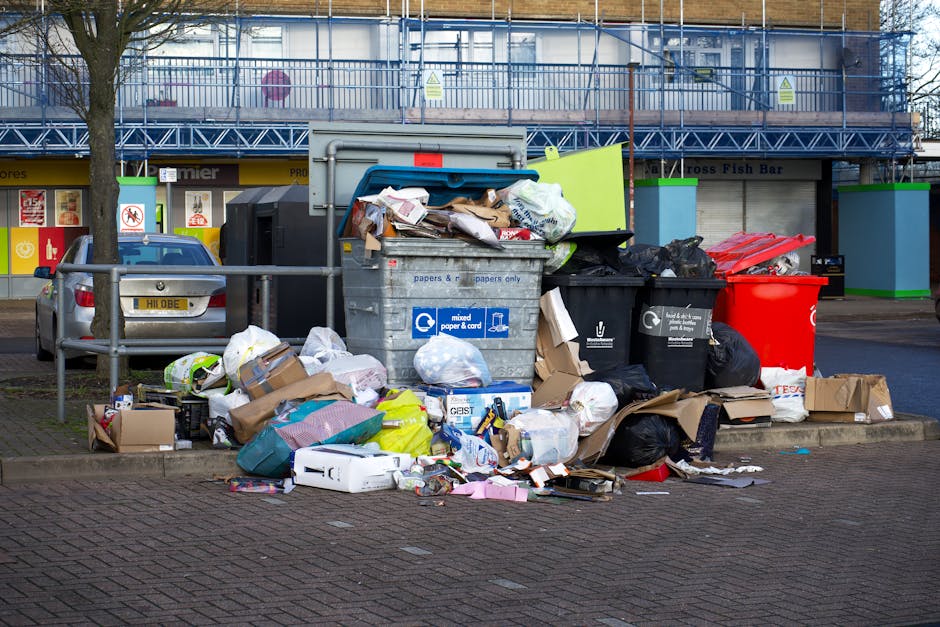
If you are trying to clear clutter, renovation waste, old furniture, or a pile of mixed household rubbish around Ruislip High Street, you probably want two things: a service that turns up when it should, and a team that leaves the place properly tidy. That sounds simple, but anyone who has tried to shift a full flat's worth of junk, or a builders' waste heap after a long week, knows it can become a faff very quickly.
This guide breaks down how the Best rubbish removal services in Ruislip High Street HA4 should work, what to expect, how to compare options, and how to avoid the small mistakes that end up costing time and money. You will also find practical tips for domestic jobs, commercial clearances, garden waste, and awkward items like mattresses or appliances. Let's make it straightforward.
In our experience, the best decisions usually come from understanding the job properly before you book. Not glamorous, I know. But it helps.
- Why it matters
- How it works
- Key benefits
- Who this is for
- Step-by-step guidance
- Expert tips
- Common mistakes
- Tools, resources and recommendations
- Compliance and best practice
- Options and comparison
- Real-world example
- Practical checklist
- Conclusion
- Frequently asked questions
Why Best rubbish removal services in Ruislip High Street HA4 Matters
Rubbish removal is not just about getting rid of stuff. Around a busy high street area, it affects access, neighbour relations, safety, and how quickly a property can be used again. A back room full of broken furniture slows a shop refit. A front garden full of green waste makes a house look half-finished. A hallway packed with bags and old items can become a genuine trip hazard. Simple enough, but still easy to underestimate.
Choosing the right service matters because the wrong one may leave you with avoidable delays, unclear pricing, or waste that is not handled properly. A good provider should make the process feel calm and predictable. That is the real value. You do not want to be negotiating at the kerbside while dust, rain, and a tight schedule are all doing their best to ruin the day.
There is also a trust angle. When you hire a rubbish removal team, you are letting them onto your property, around your belongings, and often into sensitive spaces like lofts, offices, kitchens, or cleared rooms. If they are organised, insured, and transparent, that makes a big difference. You notice it quickly.
For many jobs, rubbish removal is the fastest route compared with doing it yourself. That said, the best service is not always the one with the loudest promise. It is the one that matches the waste type, access, timing, and budget without creating new problems.
How Best rubbish removal services in Ruislip High Street HA4 Works
Most rubbish removal jobs follow a simple pattern: you describe the waste, the provider assesses the volume or type, a collection is arranged, and the material is removed for sorting, recycling, or disposal. The details matter though, because rubbish is rarely just "rubbish". There is bulky furniture, mixed household junk, renovation debris, garden cuttings, electrical items, and the odd mystery object that nobody wants to claim. A classic.
Many customers start by asking for a quote based on photos or a quick description. That is sensible, especially for mixed loads. If the job is straightforward, a team may be able to estimate the collection type and timing in advance. If access is tight or the load is awkward, you should expect a few follow-up questions. That is usually a good sign, not a bad one.
Depending on the service, collection may happen in different ways:
- Man and van collection for household and mixed waste loads.
- Wait-and-load if parking or access is tight and you want the waste taken away quickly.
- Skip hire if you prefer to load waste yourself over a period of time.
- Grab hire for heavier, looser waste or larger clearances.
If you are weighing up those options, the provider's skip hire and man and van services can be useful reference points, especially for comparing convenience versus flexibility. For projects where time is tight, same-day skip hire may also help. Not every job needs the same tool, which sounds obvious until you are standing there with half a garage on the driveway.
In practical terms, a good rubbish removal service should explain what is included, whether labour is part of the price, how access affects the job, and what happens to the waste after collection. That last bit matters more than people think. It is not just a disposal job; it is a handling and sorting job too.
Key Benefits and Practical Advantages
People usually choose professional rubbish removal for convenience, but the advantages go beyond saving a few trips to the tip. Done properly, it can simplify the whole job from start to finish.
- Speed: A trained team can clear large or awkward items far faster than most DIY efforts.
- Less lifting: Helpful if you are dealing with bulky sofas, white goods, or bags of mixed junk.
- Cleaner finish: The area is left tidy, which is especially useful before a sale, let, or refit.
- Better sorting: Waste can be separated more sensibly for recycling or specialist handling.
- Local convenience: Around a high street location, timing and access are easier when the service understands the area.
- Less stress: Truth be told, knowing the waste is dealt with properly is a relief.
There is also a hidden benefit: better decision-making. Once you know what a provider can remove, you can plan the rest of your project around it. For example, if a loft clearance includes old boxes, broken furniture, and several bags of random household waste, you can time the collection before decorators or movers arrive. That makes the whole week feel less chaotic. Small win, big difference.
And if your waste stream is more specialised, such as appliance disposal, mattresses, or office paper, a service that offers specific handling can save extra effort. Relevant pages such as fridge and appliance removal, mattress and sofa disposal, and confidential shredding can be useful depending on the job.
Who This Is For and When It Makes Sense
This kind of service is useful for a lot more people than you might expect. It is not just for full house clearances or major refurbishments. In fact, plenty of the best rubbish removal jobs are the ordinary ones: a few heavy items after a room refresh, a weekend garden clear-out, or a shop stockroom that has reached critical levels.
You may need rubbish removal if you are:
- Clearing out a home before moving or renting it out
- Dealing with attic, garage, or loft clutter
- Removing old furniture, broken appliances, or mattresses
- Managing renovation waste after light building work
- Tidying a garden after pruning or landscaping
- Running a business that needs regular commercial waste clearance
- Handling office furniture, paper waste, or end-of-lease rubbish
For domestic work, services like house clearance, garage and loft clearance, and garden waste removal often fit neatly into the same decision process. For business users, office clearance and commercial skip hire may be more suitable depending on volume and timing.
When does rubbish removal make the most sense? Usually when the waste is mixed, access is limited, or you simply do not want a skip sitting outside longer than necessary. If you only need a one-off collection and want it gone in a single visit, this route is often the cleanest option.
Step-by-Step Guidance
If you want the process to run smoothly, a little preparation goes a long way. Nothing dramatic. Just a bit of common sense before collection day.
- Identify the waste type. Separate household rubbish, furniture, garden waste, construction debris, and any specialist items.
- Estimate the volume. Think in terms of bags, bins, loose piles, or the number of large items.
- Check access. Measure gate widths, stairways, parking space, and any awkward corners.
- Ask what is included. Labour, loading, transport, and disposal should be clearly explained.
- Flag restricted items. Some materials need specialist handling, especially hazardous waste.
- Choose the right service style. Man and van, skip hire, wait-and-load, or grab hire may suit different jobs.
- Prepare the area. Move anything you want to keep and make a clear path to the load.
- Confirm timing. Collection windows matter more than people think, especially on a busy street.
- Review the final finish. A good team should leave the area swept and safe.
One practical tip: if you are unsure whether an item can go with the collection, check in advance rather than putting it aside "just in case". That way you avoid last-minute surprises and keep the load efficient. For skip users, the page on what can go in a skip is a useful reference point, because many of the same rules of caution apply.
And if the job is urgent, ask whether a fast-turnaround option is available. A service such as same-day skip hire can be helpful for some deadlines, though availability may vary. There, I said the sensible bit out loud.
Expert Tips for Better Results
After plenty of clearances, a few patterns become obvious. The best outcomes tend to come from good communication and realistic planning, not from heroic last-minute effort.
- Send photos early. Clear, well-lit photos of the waste help with quoting and avoid guesswork.
- Be specific about access. A job down a narrow mews-style access or behind a locked gate needs proper planning.
- Sort obvious categories first. Recycling-friendly waste, general rubbish, and bulky items are easier to handle when separated.
- Leave room for the team to work. Even half a metre of extra space can save a lot of back-and-forth.
- Use the right disposal route. For some jobs, a grab lorry or enclosed skip is more efficient than a standard collection.
- Ask about recycling. A provider with a good recycling approach is usually more organised overall.
If the load is mostly loose rubble, soil, or heavier construction waste, you may want to compare with grab hire services or muck away services. For building work, builders waste removal and construction waste disposal are often more suitable than general domestic collections.
One tiny but important thing: if you are clearing a property before a handover, do the rubbish removal before the deep clean, not after. You will thank yourself later. The floors, corners, and skirting boards will stay cleaner for longer. A small win, but a real one.
Common Mistakes to Avoid
Most problems are preventable. That is the good news. The bad news is that people keep making the same mistakes because rubbish removal feels easy until it suddenly is not.
- Not measuring the waste properly. Underestimating volume is one of the most common causes of cost overruns.
- Ignoring access issues. Stairs, tight entrances, parking restrictions, and long carry distances all affect the job.
- Mixing specialist waste with general waste. Hazardous or restricted items may need separate handling.
- Assuming every provider offers the same service. They do not. Labour, timing, and disposal methods vary.
- Forgetting permits or restrictions. If a skip is involved, a permit may be needed in some circumstances.
- Choosing purely on price. The cheapest quote can become the most expensive if it excludes key parts of the service.
For skip-based projects, the pages on skip hire permits and skip sizes and prices are worth reviewing so you know what to expect. If the job involves awkward access or a tight street setting, wait and load skip hire may be a cleaner fit than leaving a skip out for days.
And yes, if you have ever overfilled a bag and tried to "make it fit" in the boot of a car, you already know why planning matters. We have all done a version of that. Some of us more than once.
Tools, Resources and Recommendations
You do not need a toolbox full of specialist gear to organise rubbish removal, but a few simple tools and references help a lot. Nothing fancy.
- Phone camera: Take clear photos from a few angles for quoting and planning.
- Tape measure: Useful for checking doorways, gates, and bulky items.
- Marker labels or tape: Handy if you want to separate keep, donate, and remove piles.
- Basic gloves and sturdy shoes: Sensible if you are moving anything before collection.
- Simple checklist: Keeps the job organised when several rooms or waste types are involved.
Within the website, a few pages are especially useful for planning and confidence. Start with pricing and quotes if you want a clearer sense of how jobs are assessed, then review recycling and sustainability to understand the general disposal approach. If security or payment questions are on your mind, payment and security is a sensible place to look.
For trust signals and service standards, the pages on insurance and safety and health and safety policy are useful to read before booking. If you want to know more about the company itself, about us gives a broader picture of how the service is positioned.
Law, Compliance, Standards, or Best Practice
For rubbish removal in the UK, compliance is mostly about duty of care, safe handling, and using a service that deals with waste responsibly. You do not need to become a legal expert, but it helps to know the basics.
Best practice usually includes:
- Checking that waste is handled and transferred responsibly
- Keeping hazardous materials separate from general rubbish
- Using appropriate loading methods for heavy or awkward waste
- Reducing contamination so recyclable material is not needlessly mixed
- Making sure collections are carried out safely for workers and residents
If your load includes items such as solvents, paints, gas cylinders, or other specialist materials, ask for clear guidance rather than guessing. The page on hazardous waste disposal is relevant here. It is better to pause and ask than to send something off with the wrong waste stream. That is one of those boring little decisions that saves a headache later.
For businesses, there is also a practical expectation around confidentiality and tidiness. If you are clearing an office, consider whether paper records, hard copy documents, or archived files need special handling through confidential shredding. It is not just about clearing space; it is about keeping the process controlled.
Options, Methods, or Comparison Table
If you are not sure which route is best, compare the main options side by side. The right choice depends on volume, speed, access, and how much lifting you want to do yourself.
| Method | Best for | Strengths | Possible downsides |
|---|---|---|---|
| Man and van | Mixed household rubbish, furniture, smaller clearances | Flexible, quick, minimal fuss | May not suit large ongoing projects |
| Skip hire | Renovations, longer jobs, regular loading | Good for staged clearances, simple to use | Needs space and sometimes a permit |
| Wait and load | Tight streets, short access windows, quick removal | No long-term roadside presence | Requires readiness on the day |
| Grab hire | Heavy waste, rubble, soil, larger clearances | Efficient for bulky loads | Access and setup need careful checking |
For many local jobs, the easiest decision is to start with the waste itself. If it is mainly furniture and mixed rubbish, a removal crew is often simplest. If you are doing work across several days, skip hire may be more practical. If you have a lot of material and limited access, grab hire can be a better fit than trying to bodge it with smaller visits.
The related service pages on domestic skip hire, builders skip hire, enclosed and lockable skip hire, and grab lorry hire can help you compare the practical differences more clearly.
Case Study or Real-World Example
Here is a realistic example. A homeowner near Ruislip High Street is preparing a property for new flooring and decorating. The job includes a broken wardrobe, two mattresses, a stack of cardboard, a couple of old chairs, and several bags of general household waste. Nothing extreme, but enough to be annoying if handled piecemeal.
Rather than hiring a skip and leaving it outside for several days, they choose a collection service that removes everything in one visit. Photos are sent in advance, access is checked, and the team arrives in a short window before the afternoon traffic picks up. The load is taken away, the hallway is left clear, and the decorator can start the following morning without working around junk. Simple outcome, but very effective.
Now compare that with a small contractor clearing builders' rubble after a kitchen rip-out. Same general idea, different best option. In that case, a service focused on construction waste clearance may be more suitable because the waste is heavier and less mixed. The lesson is not that one method is always better. It is that the waste type should drive the choice, not habit.
The little details matter. A service that asks the right questions usually saves you time. A service that says "yes" to everything without checking often creates the most trouble. Funny how that works, really.
Practical Checklist
Use this checklist before booking your rubbish removal:
- Have I listed all the waste I want removed?
- Have I separated anything I want to keep?
- Do I know whether the load is mixed, heavy, bulky, or specialist?
- Have I checked access, stairs, gates, and parking?
- Do I need a fast collection or a scheduled visit?
- Have I confirmed whether loading labour is included?
- Do I know if any items need special handling?
- Have I reviewed pricing, payment, and terms?
- If using a skip, do I understand permit or space requirements?
- Am I clear on what happens after the waste is collected?
If you are at the stage of comparing providers, it can also help to read the service pages again and then book online once the job details are clear. For straightforward next steps, book online is the most direct option, while contact us is better if you need to talk through a more awkward clearance.
Conclusion
The best rubbish removal service in Ruislip High Street HA4 is not simply the cheapest or the fastest on paper. It is the one that fits your waste type, access, timing, and peace of mind. For some readers that means a one-off man and van collection. For others it means skip hire, grab hire, or a more specific clearance service.
What matters most is clarity. If the provider explains the process plainly, asks sensible questions, and handles the waste responsibly, you are already in good shape. That is the kind of service people come back to, because it removes stress as well as rubbish. And honestly, in a busy area, that counts for a lot.
Get a free quote today and see how much you can save.
When the clutter is gone and the room feels usable again, the whole property seems to breathe a bit easier. That is a nice moment, and worth aiming for.
Frequently Asked Questions
What is the best type of rubbish removal for a mixed household clear-out?
For mixed household rubbish, a man and van style collection is often the most practical option because it handles furniture, bags, and odd items in one visit. If the job is spread over several days, skip hire may be better.
How do I know whether I need skip hire or rubbish removal?
Choose rubbish removal if you want the waste taken away quickly in one go. Choose skip hire if you want time to load waste yourself. If access is tight or parking is limited, wait-and-load may also make sense.
Can I put mattresses, sofas, and appliances in with rubbish removal?
Yes, often you can, but it depends on the provider and the item type. Mattresses, sofas, fridges, and other appliances may be handled through more specific collection routes, so it is worth checking before booking.
Is same-day rubbish removal possible in Ruislip High Street HA4?
Sometimes, yes. Same-day availability depends on the workload, the size of the job, and access. If your timing is tight, ask early and provide photos so the team can confirm quickly.
What happens to the rubbish after it is collected?
Collected waste is normally sorted, with reusable and recyclable material separated where possible and the rest handled through appropriate disposal routes. A responsible provider should be clear about its recycling and sustainability approach.
Do I need a permit for rubbish removal?
Usually not for a man and van collection, but permits may be relevant if you are using a skip and placing it on public highway space. If that is your plan, check the skip permit guidance in advance.
How can I get an accurate quote?
Send clear photos, describe the waste type, explain access, and mention anything bulky or awkward. The more precise the description, the more accurate the quote is likely to be. Guessing tends to backfire.
What are the biggest mistakes people make when booking rubbish removal?
The biggest mistakes are underestimating the volume, forgetting about access, mixing specialist waste with general rubbish, and choosing purely on price. That last one is especially common, and often the most frustrating later on.
Is rubbish removal suitable for businesses and offices?
Yes. It is a good option for office furniture, stockroom clear-outs, and end-of-lease waste. For paperwork or sensitive files, confidential shredding is a sensible addition.
Can rubbish removal help with garden waste too?
Absolutely. Branches, hedge cuttings, soil, turf, and mixed garden debris can often be removed as part of a garden waste service or combined clearance, depending on the load.
How can I tell if a provider is safety-conscious?
Look for clear explanations about loading, access, insurance, and safe handling. A provider that takes a few minutes to ask questions up front is usually more careful on the day too.
What should I do before the collection team arrives?
Clear the route, separate items you want to keep, and make sure the waste is easy to access. If you are using a skip or have space constraints, check the arrangement carefully the day before. That small bit of prep saves a lot of hassle.